
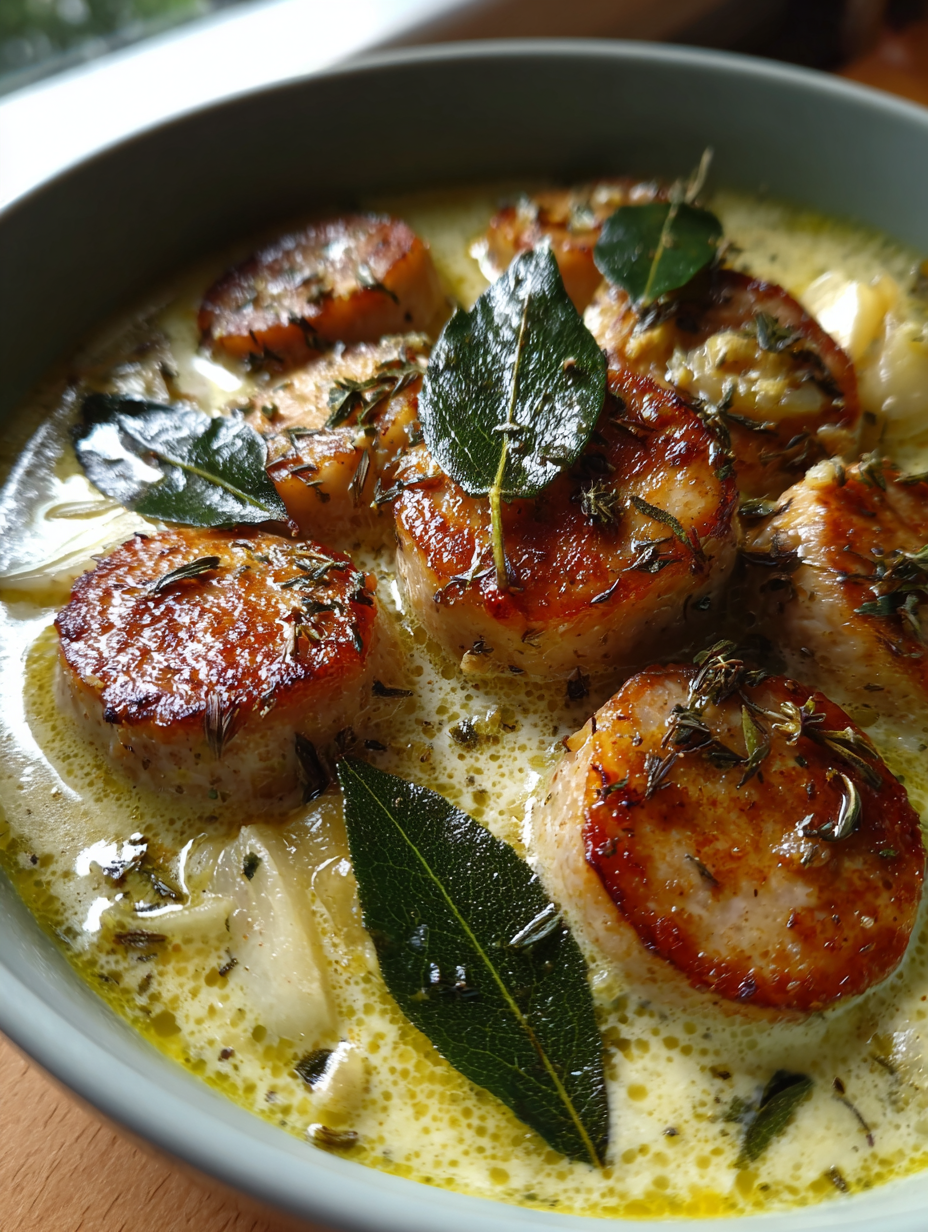
Wśród wielu fascynujących dań, “stare przedwojenne przepisy kulinarne” zasługują na szczególne miejsce. Ta tradycyjna polska zupa, jaką jest żur, jest doskonałym przykładem tego, jak smaki przeszłości mogą wciąż cieszyć nasze podniebienia i przywoływać wspomnienia. Stare przedwojenne przepisy kulinarne łączą w sobie prostotę i głębię smaku, które są nie do przecenienia.
Przepis na żur jest idealny na każdą porę roku, a jego przygotowanie to przyjemność, która nie wymaga dużego wysiłku. To klasyczna zupa, która łączy w sobie smakowe nuty zakwasu i soczystych wędlin, co sprawia, że jest to danie wyjątkowe. Żur jest również zdrową opcją, pełną wartości odżywczych, które wzmacniają organizm.
Jednym z kluczowych atutów tego przepisu jest jego wszechstronność. Możesz dostosować składniki do swoich preferencji lub dostępności, co czyni go idealnym daniem na każdą okazję. Poza tym, żur doskonale smakuje zarówno na co dzień, jak i podczas rodzinnych spotkań czy świąt.
Why Make stare przedwojenne przepisy kulinarne?
Przygotowanie stare przedwojenne przepisy kulinarne to idealny sposób na odkrycie polskiej kuchni.
- Tradycja i smak: Żur to klasyka polskiej kuchni, która łączy w sobie historie pokoleń.
- Łatwość przygotowania: Zupa ta nie wymaga skomplikowanych technik kulinarnych i jest szybka w wykonaniu.
- Wartości odżywcze: Bogata w białko i błonnik, żur jest sycącym daniem, które dostarcza energii.
- Możliwość modyfikacji: Możesz dostosować przepis do swoich preferencji, dodając ulubione składniki.
History and Origin of stare przedwojenne przepisy kulinarne
Żur ma długą historię w polskiej kuchni, sięgającą czasów średniowiecznych. To danie wywodzi się z tradycji ludowej, kiedy to kwaśne zupy były popularne wśród rolników, jako sposób na wykorzystanie zakwasu chlebowego.
W miarę upływu lat, żur zyskał na popularności i stał się stałym elementem polskich stołów, zwłaszcza podczas świąt i uroczystości rodzinnych. Dziś jest symbolem polskiej gościnności i tradycji kulinarnych, które przetrwały przez pokolenia.
Dzięki prostocie i wyjątkowemu smakowi, wiele osób uwielbia przygotowywać żur w domach, co sprawia, że jest to danie bliskie sercu wielu Polaków.
Ingredients for stare przedwojenne przepisy kulinarne
Aby przygotować stare przedwojenne przepisy kulinarne, będziesz potrzebować kilku prostych składników.
- 500 g białej kiełbasy
- 1 l wody
- 250 ml zakwasu na żur
- 2 ząbki czosnku
- 1 cebula
- 2 liście laurowe
According to experts at Healthline, these ingredients provide valuable nutritional value.
How to Choose the Best Ingredients
Wybór odpowiednich składników jest kluczowy dla uzyskania doskonałego smaku żuru.
- Świeżość kiełbasy: Wybieraj świeżą, wysokiej jakości białą kiełbasę, aby uzyskać najlepszy smak.
- Zakwas: Upewnij się, że zakwas jest świeży i naturalny, aby zupa miała odpowiednią kwasowość.
- Warzywa: Wybieraj świeże, sezonowe warzywa, które dodadzą aromatu i wartości odżywczych.
How to Make stare przedwojenne przepisy kulinarne Step by Step
Przygotowanie stare przedwojenne przepisy kulinarne jest łatwe i przyjemne.
- W dużym garnku zagotuj wodę.
- Dodaj białą kiełbasę i gotuj przez 20 minut na małym ogniu.
- W międzyczasie, na patelni podsmaż cebulę i czosnek.
- Dodaj cebulę i czosnek do garnka z kiełbasą.
- Wlej zakwas i dodaj liście laurowe.
- Gotuj przez kolejne 10 minut.
- Podawaj gorąco, najlepiej z chlebem.
- Możesz udekorować świeżym koperkiem.
Check out our full collection of recipes.
Tips and Tricks for the Best stare przedwojenne przepisy kulinarne
To achieve the perfect stare przedwojenne przepisy kulinarne, follow these helpful tips.
- Use Fresh Ingredients: Fresh ingredients can significantly enhance the flavor of your dish. Look for seasonal produce to ensure quality and taste.
- Perfect Your Technique: Mastering cooking techniques is essential for authentic flavors. Take your time to practice methods like sautéing and simmering.
- Adjust Seasoning Gradually: Always taste your dish as you cook. This allows you to adjust the seasoning to your liking without overwhelming the dish.
- Let It Rest: Allow your dish to sit after cooking. This helps flavors meld together, resulting in a more cohesive taste.
- Pair with Traditional Sides: Serve your stare przedwojenne przepisy kulinarne with classic sides. Consider options like potato dumplings or pickled vegetables for a complete experience.
Variations and Serving Ideas
One variation is to add seasonal vegetables for a fresh twist. Consider incorporating mushrooms or spinach for added nutrition.
Another idea is to use different proteins, such as chicken or fish, to diversify the dish. Each protein brings its unique flavor profile.
Finally, try serving it in a traditional bowl or on a rustic platter for an authentic presentation. This enhances the dining experience and connects to cultural roots.
Seasonal Variations
In spring and summer, use fresh herbs like dill and parsley to brighten the flavor. These herbs complement the dish beautifully.
During autumn, consider adding roasted root vegetables for a heartier meal. The sweetness of these vegetables pairs well with the dish’s savory elements.
In winter, a rich gravy can enhance the meal, providing warmth and comfort. This addition makes the dish perfect for colder months.
Making It for Kids and Family
Kids love stare przedwojenne przepisy kulinarne because of its comforting flavors and fun textures. The dish is often a hit during family gatherings.
To adapt it for children, consider reducing the spices slightly. You can also introduce familiar ingredients they enjoy, making it more appealing.
Storage and Reheating
Store leftovers in an airtight container in the refrigerator for up to three days. This helps maintain freshness and flavor.
When reheating, do so slowly on the stove or in the microwave. This prevents the dish from drying out, ensuring a delicious meal.
Nutrition Facts (per serving)
- Calories: 350 kcal
- Protein: 25g
- Carbohydrates: 40g
- Fat: 10g
- Fiber: 5g
- Sugar: 3g
- Sodium: 500mg
Frequently Asked Questions About stare przedwojenne przepisy kulinarne
What are stare przedwojenne przepisy kulinarne?
Stare przedwojenne przepisy kulinarne refers to traditional recipes from before World War II. These dishes often reflect cultural heritage.
Can I modify stare przedwojenne przepisy kulinarne for dietary restrictions?
Absolutely! Many ingredients can be substituted to accommodate various diets, such as gluten-free or vegetarian options.
How do I ensure authenticity when making stare przedwojenne przepisy kulinarne?
Research historical recipes and cooking methods to maintain authenticity. Using traditional ingredients is also important for genuine flavor.
What should I serve with stare przedwojenne przepisy kulinarne?
Consider serving with sides like pickled vegetables, potato dumplings, or a fresh salad to enhance the meal.
How can I make stare przedwojenne przepisy kulinarne a family tradition?
Involve family members in the cooking process. Sharing stories and techniques can create lasting memories and a sense of tradition.
Conclusion
In summary, stare przedwojenne przepisy kulinarne offer a delightful taste of history and culture. These recipes not only provide delicious meals but also connect us to our roots. Embrace the tradition by trying this dish and sharing it with loved ones.
See also our other recipes.
Print
stare przedwojenne przepisy kulinarne: klasyczny zupny przepis na żur
- Total Time: 75
- Yield: 4 servings 1x
Description
Żur is a classic Polish soup that combines the tangy flavor of sour rye with succulent meats, creating a dish that is both hearty and nostalgic.
Ingredients
- 1 liter water
- 200g sour rye starter
- 300g smoked sausage
- 2 medium potatoes
- 1 onion
- 2 cloves garlic
- 1 teaspoon marjoram
- Salt to taste
- Pepper to taste
Instructions
- In a large pot, bring 1 liter of water to a boil.
- Add 300g of smoked sausage and let it simmer for about 30 minutes.
- While the sausage is cooking, peel and dice 2 medium potatoes.
- After 30 minutes, add the diced potatoes to the pot.
- Chop 1 onion and mince 2 cloves of garlic, then add them to the pot.
- Stir in 200g of sour rye starter and mix well.
- Season with 1 teaspoon of marjoram, salt, and pepper to taste.
- Let the soup simmer for an additional 15-20 minutes until the potatoes are tender.
- Taste and adjust the seasoning if necessary.
- Serve hot, garnished with fresh herbs if desired.
Notes
- Using fresh ingredients can significantly enhance the flavor of your dish.
- Prep Time: 15
- Cook Time: 60
- Category: zupa
- Method: simmering
- Cuisine: Polish
Nutrition
- Serving Size: 1 serving (250g)
- Calories: 350
- Sugar: 2
- Sodium: 800
- Fat: 15
- Saturated Fat: 5
- Unsaturated Fat: 10
- Trans Fat: 0
- Carbohydrates: 30
- Fiber: 5
- Protein: 20
- Cholesterol: 50
Keywords: soup, Polish cuisine, traditional recipe, żur, comfort food